🐋 Whale Watching Frequently Asked Questions
Why Choose Captain Cook Cruises?
When it comes to cruising Sydney Harbour, no one does it better than Captain Cook Cruises. Recognised as the Harbour’s premier operator, we combine over five decades of experience with award-winning service, a modern fleet, and unrivalled views of Sydney’s most iconic landmarks. From luxury dining cruises and sightseeing adventures to private celebrations and special events, we set the standard for unforgettable experiences on Sydney Harbour. Trusted by more locals, more visitors, and more industry experts - choose Captain Cook Cruises. Read more about Our Story.
What types of whales will I see?
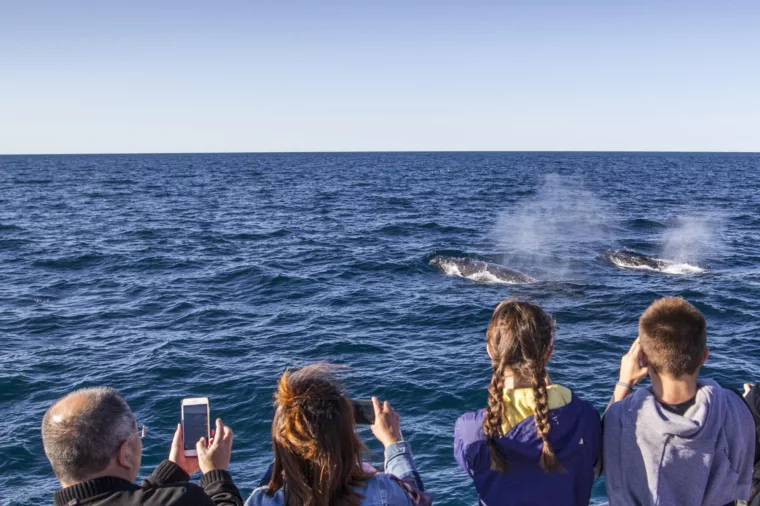
The most commonly spotted whales are Humpback Whales, seen in large numbers during the annual migration. You may also spot Southern Right Whales, Minke Whales, and occasionally Blue Whales. Keep your eyes open for dolphins, seals, penguins, and sea birds along the way!
How close do we get to the whales?
There are strict Australian guidelines for whale approach distances to protect both whales and passengers. Distances usually range between 100 to 300 metres, depending on pod composition (such as mothers with calves) and vessel traffic in the area. That said, whales are curious — and sometimes they come to us! Captain Cook Cruises always operates with whale welfare and passenger safety as the top priority.
What should I bring on a whale watching cruise?
Dress in layers, as it’s often cooler at sea. We recommend bringing:
Is expert commentary included?
Yes! All cruises include live expert commentary from passionate marine naturalists, many of whom are among the most experienced in Sydney.
Will I get seasick?
This is an open-water cruise, so you may feel some sea motion. To minimise discomfort:
-
Eat a light meal beforehand
-
Motion sickness tablets work best taken 30 minutes before departure
-
Focus your eyes on the horizon
-
Avoid reading or screen time during the cruise
View Sydney’s 7-day Wind & Wave Forecast
Do you guarantee whale sightings?
Yes! We have a 95%+ sighting success rate. If we don’t see a whale, your next cruise is free of charge, valid for the same season.
When is the best time to see whales in Sydney?
-
June–July: Peak for northern migration (whales heading to breeding grounds)
-
August: Can be the most spectacular, with young males breaching
-
September–October: Great for southern migration, as whales return to Antarctic waters
Is morning or afternoon better for whale watching?
We offer more morning departures typically due to calmer sea conditions, making for a smoother, more enjoyable cruise. Always check the latest wind and weather forecast before booking.
What happens if my cruise is cancelled?
If we cancel due to weather or operational reasons, you can:
-
Rebook another Whale Watching Cruise in the same season
-
Request a refund from your place of purchase
-
Request a credit valid for 12 months with Captain Cook Cruises
If booked through a travel agent, please refer to their terms and conditions.
Can I bring my own food and drinks?
Yes! You’re welcome to bring your own food and drinks.
Is the cruise wheelchair accessible?
Yes. Our whale watching vessels are wheelchair accessible, including bathroom facilities. View Accessibility Info
Are there bathrooms onboard?
Yes. All vessels include fully accessible bathrooms for guest convenience.
Are seats assigned?
No assigned seating. All vessels feature open-plan indoor and outdoor seating. When in the Harbour the starboard side (right-hand side) is closest to the shoreline.
Are cruises suitable for children?
Yes! Big kids are welcome and usually love the experience. Please note:
-
Children must be supervised by an adult
-
Cruises run for up to 3 hours
-
Infants under 4 are free of charge but not recommended on open water cruises
🐳 Typical Whale Behaviours
During your cruise, you might witness several spectacular behaviours:
-
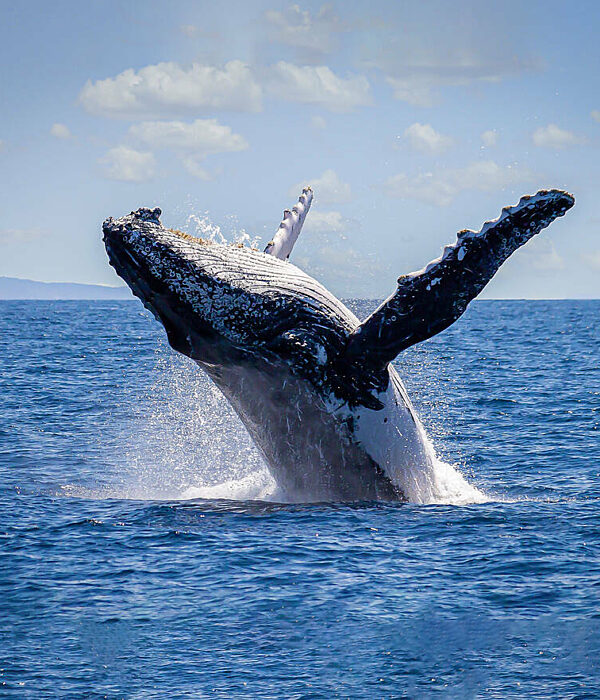
Breaching: The whale launches out of the water and crashes back down. This may be a form of communication, play, or parasite removal.
-
Tail Slapping: Repeatedly slapping their tail on the surface may serve as a warning or attention signal.
-
Spy Hopping: The whale lifts its head vertically above the water to observe its surroundings.
-
Social Interaction: Whales may nuzzle, bump, or swim close together—especially during mating season.
🎥 Want to learn more? Watch Dr. Vanessa Pirotta, leading marine scientist and author of The Humpback Highway, explain these behaviours in our onboard expert video series.
🐬 Whale Species Spotted from Sydney
🐋 Humpback Whales
Most commonly seen species. Famous for their acrobatic breaches and long migratory path between Antarctica and the Great Barrier Reef.
🐋 Southern Right Whales
Occasionally spotted. Recognised by their callosities and curved mouthline. More common in colder months.
🐋 Orcas (Killer Whales)
Rare but exciting visitors. Known for their intelligence and hunting skill, orcas sometimes pass by Sydney’s coast.
📍 Want to spot them from land too?
Check out Five of the Best Whale Watching Spots near Sydney for great land-based viewing.